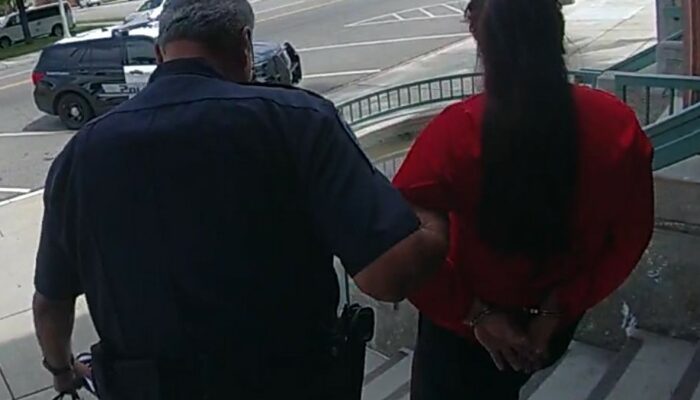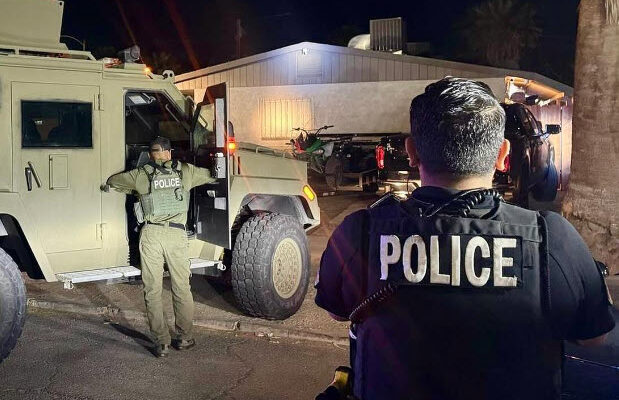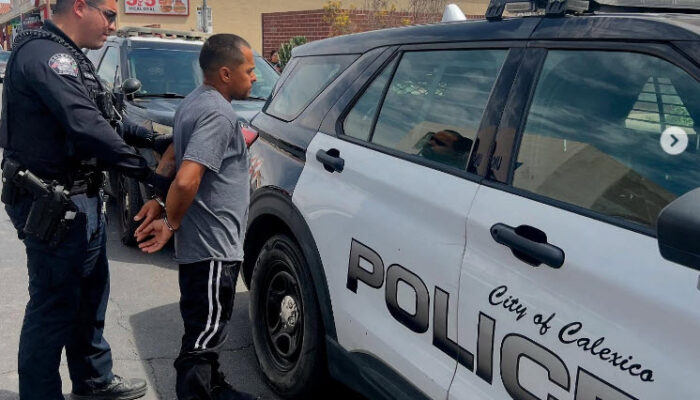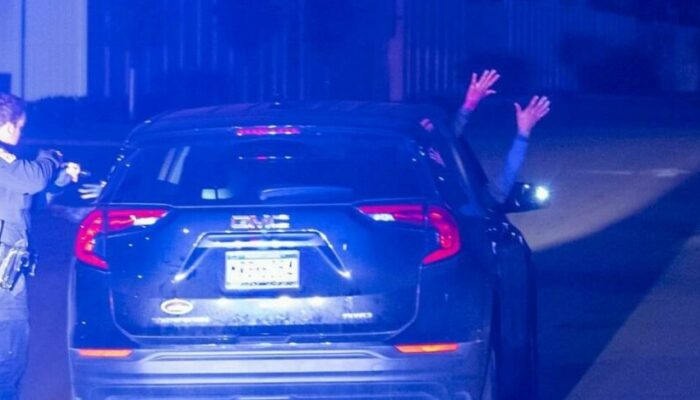
For decades, if a city cop beat you, you could sue him. If an ICE or Border Patrol agent did the exact same thing on the exact same street, you were mostly out of luck. That gap just closed. I have been suing police officers since 1984, and this is one of the most significant changes to California civil rights law I have seen.
Quick Answer
Yes. On September 29, 2026, Governor Newsom signed SB 747, the “No Kings Act,” now California Civil Code section 53.8. It lets you sue anyone acting under color of law, federal agents included, for violating your constitutional rights. It took effect immediately, reaches violations on or after March 1, 2025, and allows recovery of attorney fees. Officers can still raise qualified immunity.
What does SB 747 actually do?
SB 747 creates a California cause of action, codified at Civil Code section 53.8, against any person who violates your rights under the United States Constitution while acting under color of law. That includes federal law. ICE, Border Patrol, and other federal agents are no longer outside the reach of a state-law civil rights claim.
Here is why that matters. The main federal civil rights statute, 42 U.S.C. section 1983, only reaches people acting under color of state law. City police, sheriff’s deputies, and CHP officers fall under it. Federal agents never did. For them, the courts invented a substitute called a Bivens claim, and then spent forty years shrinking it. In Egbert v. Boule (2022), the Supreme Court made a new Bivens claim against a Border Patrol agent nearly impossible to bring.
So California wrote its own remedy. According to the Daily Journal’s reporting, the law:
- Took effect immediately when signed on September 29, 2026
- Applies to violations that occurred on or after March 1, 2025
- Allows a prevailing plaintiff to recover reasonable attorney fees, costs, and expert fees
- Preserves sovereign immunity and lets defendants raise the same immunities available in a section 1983 case
Can you sue an ICE agent for a false arrest or excessive force?
Yes, if the agent violated a right the Constitution protects. A false arrest without probable cause violates the Fourth Amendment. So does unreasonable force during a stop, detention, or arrest. Under Civil Code 53.8, those are the same kinds of claims California residents already bring against local police.
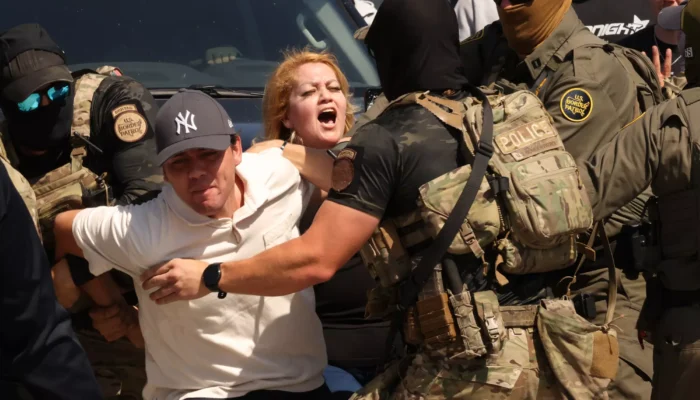
Think about what has been happening on Southern California streets during immigration enforcement operations. The people stopped have not all been immigrants; U.S. citizens have been detained too, and some have been hurt. Before SB 747, a citizen held without probable cause had very few good options against the individual agent who did it. Now that citizen has a California statute written for exactly that situation.
The first cases are already moving. Fox LA reported that three Californians amended pending lawsuits against the Department of Homeland Security and unnamed federal agents on the same day the Governor signed the bill.
Does qualified immunity still protect federal agents?
Yes, it can. Civil Code 53.8 lets defendants assert absolute or qualified immunity to the same extent they could in a section 1983 case. So an agent can still argue that no prior case clearly established that his particular conduct was unconstitutional. SB 747 opens the courthouse door; it does not remove that defense.
I have been fighting “qualified immunity” my entire career, and I will tell you plainly: it is the single biggest obstacle in civil rights litigation. Judges invented it, and judges apply it generously to police. You can read more about how it works, and how California’s SB 2 already works around it for state claims, in my post on qualified immunity and SB 2.
Why the legislature kept the defense is a fair question. My read is practical: keeping the same immunity rules that apply to local police makes the law harder to attack as discriminating against federal officers. In February, a federal judge preliminarily concluded that California’s police mask law unlawfully discriminated against federal officers because it exempted state officers. Still, many excessive force and false arrest cases involve conduct that is clearly unconstitutional under existing Ninth Circuit law. Those are the cases where Civil Code 53.8 will matter most.
How is this different from the Federal Tort Claims Act?
The Federal Tort Claims Act lets you sue the United States itself for certain wrongs by federal employees, including assault, battery, and false imprisonment by law enforcement officers. SB 747 lets you sue the individual agent for violating the Constitution. Many cases will use both, and each has its own rules and deadlines.
The FTCA has strict procedures. You must first file an administrative claim with the agency, usually on Standard Form 95, stating a specific dollar amount, within two years under 28 U.S.C. 2401(b). The agency then gets six months to respond before you can file suit. There is no jury in an FTCA case; a federal judge decides it.
A Civil Code 53.8 claim is aimed at the person who violated your rights. That changes the conversation. An agent who knows he can be named personally, and who knows the law shifts attorney fees to the winning plaintiff, has a reason to think twice before he “fails the attitude test” on your behalf.
What should you do if a federal agent violated your rights?
- Get medical care and photograph every injury within the first day, then again as bruising develops.
- Write down everything now: names, badge numbers, vehicle descriptions, the agency, the time, and the exact location.
- Find the witnesses and the video. Neighbors’ doorbell cameras, business security systems, and bystander phones are often the best evidence. Ask quickly; many systems overwrite in days.
- Do not sign anything or give a statement about the incident without a lawyer.
- Talk to a civil rights attorney promptly. The FTCA claim, any state government claim, and the Civil Code 53.8 suit each have different deadlines, and mixing them up can cost you a case.
If local police or deputies were involved alongside federal agents, which happens in task-force operations, there may also be a claim against the city or county. Those claims carry California’s six-month government claim deadline, which is far shorter than most people expect.
Is SB 747 going to be challenged in court?
Possibly. As of October 2, 2026, no federal lawsuit to block the law had been reported, though the U.S. Attorney for the Central District of California publicly criticized it. Expect the federal government to argue that states cannot regulate federal officers. I will not predict how that fight ends.
What I will tell you is this. When I wrote about SB 747 in August, in The No Kings Act: Can You Sue a Federal Agent in California?, it was still a bill. Now it is the law, and people are using it. If a federal agent violated your rights at any point since March 1, 2025, the clock is already running.
Talk to someone who has done this for four decades
Steering Law handles federal civil rights lawsuits against police and government agents throughout Southern California, from our office in Newport Beach. If you or a family member was hurt or wrongly detained by ICE, Border Patrol, or any other agency, call us at (949) 474-1849 for a consultation about your specific situation.
Frequently Asked Questions
Governor Newsom signed SB 747 on September 29, 2026. It took effect immediately and is codified at California Civil Code section 53.8.
Yes. It reaches constitutional violations that occurred on or after March 1, 2025.
A citizen held without probable cause may have a Fourth Amendment claim. Civil Code 53.8 now gives that person a California cause of action against the individual agent, in addition to any Federal Tort Claims Act claim against the United States.
A prevailing plaintiff may recover reasonable attorney fees, costs, and expert fees under the new law.
Yes. Defendants may raise qualified or absolute immunity to the same extent they could in a federal section 1983 case.
Generally two years from the incident, filed first as an administrative claim with the federal agency. A lawyer should confirm the deadline for your facts.
No. The law protects anyone whose constitutional rights are violated by a person acting under color of law, regardless of citizenship.
About the Author
Jerry L. Steering, Esq. has been suing police officers and defending bogus “resistance offense” criminal cases throughout California since 1984. A graduate of the University of Georgia School of Law (1984), he is admitted to practice in California, Georgia, the Ninth and Eleventh Circuits, and the United States Supreme Court. His police-misconduct cases have produced settlements and verdicts in the millions, and his work has been featured on ABC News, CNN, Good Morning America, Dateline NBC, The Washington Post, and the Los Angeles Times. He practices from Newport Beach and serves clients across Southern California.
Legal Disclaimer
Disclaimer: This article is for general informational purposes only and does not constitute legal advice. Reading this post or contacting Steering Law through this website does not create an attorney-client relationship. Every case is different; if you are facing a legal issue, you should consult a qualified California attorney about your specific situation. Past results do not guarantee similar outcomes.
Sources
- California Legislative Information, SB 747 (2025-2026): https://leginfo.legislature.ca.gov/faces/billNavClient.xhtml?bill_id=202520260SB747
- Daily Journal, “US citizens invoke new California law against immigration agents,” Oct. 2, 2026: https://dailyjournal.com/article/394958-us-citizens-invoke-new-california-law-against-immigration-agents
- Fox LA, “3 Californians amend immigration lawsuits after ‘No Kings Act’ signed into law,” Oct. 1, 2026: https://www.foxla.com/news/3-californians-amend-immigration-lawsuits-after-no-kings-act-signed-law
- 42 U.S.C. 1983 (Cornell LII): https://www.law.cornell.edu/uscode/text/42/1983
- Federal Tort Claims Act, 28 U.S.C. 2401(b) and 2675 (Cornell LII): https://www.law.cornell.edu/uscode/text/28/2675
- Liebert Cassidy Whitmore, “Governor Newsom Signs Senate Bill 1004, Expanding the No Secret Police Act,” Oct. 6, 2026 (Feb. 9, 2026 ruling): https://www.calpublicagencylaboremploymentblog.com/legislation/governor-newsom-signs-senate-bill-1004-expanding-the-no-secret-police-act/
- Egbert v. Boule, 596 U.S. 482 (2022) (Justia): https://supreme.justia.com/cases/federal/us/596/21-147/

Steering Law is a California-based civil rights and criminal defense firm led by Jerry L. Steering, Esq. The firm focuses on police misconduct cases, including excessive force, false arrest, malicious prosecution, contempt of cop incidents, and 42 U.S.C. §1983 civil rights actions, while also handling serious criminal defense matters. Steering Law is dedicated to protecting clients’ constitutional rights and delivering justice for individuals who have been wronged by law enforcement.