Author: Jerry L. Steering, Esq.

Steering Law is a California-based civil rights and criminal defense firm led by Jerry L. Steering, Esq. The firm focuses on police misconduct cases, including excessive force, false arrest, malicious prosecution, contempt of cop incidents, and 42 U.S.C. §1983 civil rights actions, while also handling serious criminal defense matters. Steering Law is dedicated to protecting clients’ constitutional rights and delivering justice for individuals who have been wronged by law enforcement.
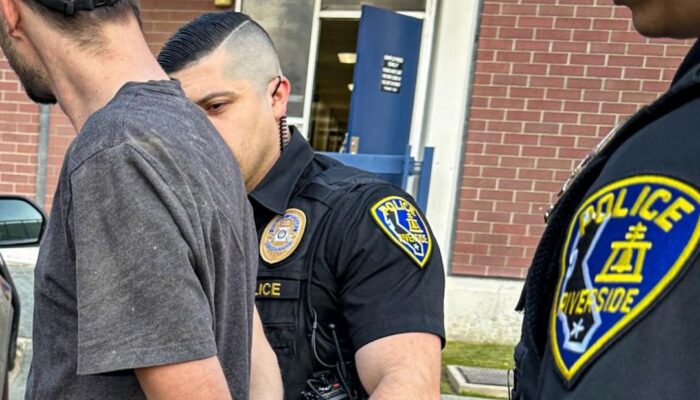
A man is lead away after getting arrested in front of Mutt Lynch's on the Balboa Peninsula in Newport Beach

Can You Sue for Emotional Distress After Police Harassment in Newport Beach?

Not all police misconduct leaves visible scars. In Newport Beach, many residents experience police encounters that result in humiliation, fear, anxiety, or lasting emotional trauma — even when no physical force is used. Repeated stops, intimidation, verbal abuse, or discriminatory treatment can have serious psychological consequences.

If you’ve been subjected to police harassment that caused emotional harm, you may be wondering whether the law recognizes what you went through — and whether you have the right to pursue compensation.

The answer, in many cases, is yes.

What Qualifies as Police Harassment?

Police harassment generally refers to a pattern of behavior by law enforcement that goes beyond legitimate policing and becomes unreasonable, abusive, or discriminatory. This can include:

  • Repeated or unjustified traffic stops
  • Verbal threats, intimidation, or degrading language
  • Targeting based on race, appearance, neighborhood, or perceived status
  • Unlawful questioning or detentions without cause
  • Retaliatory actions after complaints or prior encounters

While a single incident may not always rise to the level of a lawsuit, a pattern of conduct or an egregious encounter can form the basis of a legal claim.

Emotional Distress Is a Real and Recognized Injury

California law recognizes that emotional harm can be just as damaging as physical injury. Emotional distress may manifest as:

  • Anxiety or panic attacks
  • Depression or mood disorders
  • Sleep disturbances or nightmares
  • Fear of law enforcement or public spaces
  • Post-traumatic stress symptoms

In communities like Newport Beach, where reputational harm, public embarrassment, and professional standing matter deeply, emotional distress can significantly affect a person’s personal and professional life.

Can You Sue Without a Physical Injury?

Yes. A lawsuit does not always require broken bones or visible injuries.

Victims of police misconduct may bring claims for emotional distress when the officer’s conduct was:

  • Extreme or outrageous
  • Intentional or reckless
  • A direct cause of psychological harm

Medical records, therapy notes, personal journals, witness statements, and even changes in daily behavior can all serve as evidence.

Legal Theories That May Apply

Federal Civil Rights Claims

Under federal law, police harassment may violate constitutional protections, including:

  • The right to be free from unreasonable seizures
  • Equal protection under the law
  • Freedom from retaliation for exercising legal rights

These claims focus on whether law enforcement abused their authority in a way that violated fundamental rights.

California State Law Claims

Under state law, emotional distress claims may include:

  • Intentional infliction of emotional distress
  • Negligent infliction of emotional distress
  • Harassment or discrimination claims under civil rights statutes

When a police department or city is involved, additional procedural steps are required.

The Importance of the Government Claims Act

Before filing a lawsuit against a public entity in California, including a police department, you must first file an administrative claim under the Government Claims Act.

For Newport Beach residents, this claim typically must be filed within:

  • Six months of the incident

Missing this deadline can bar state-law claims entirely, regardless of the severity of emotional harm.

Proving Emotional Distress After Police Harassment

Unlike physical injuries, emotional distress requires careful documentation. Helpful evidence includes:

  • Mental health treatment or counseling records
  • Testimony from therapists or medical professionals
  • Personal journals detailing emotional changes
  • Statements from family, friends, or coworkers
  • Evidence of repeated police encounters or patterns of conduct

Consistency and credibility are key. Courts recognize emotional injuries when they are supported by clear evidence.

Why Emotional Distress Claims Matter in Affluent Communities

In Newport Beach, police harassment can carry additional consequences:

  • Public embarrassment or reputational damage
  • Impact on business relationships or employment
  • Heightened scrutiny due to appearance, location, or perceived wealth

These factors can intensify emotional harm and strengthen the argument that the misconduct caused real, measurable damage.

Time Limits Still Apply — Even Without Physical Injury

Emotional distress claims are subject to strict deadlines. Waiting too long to act can result in lost evidence and forfeited legal rights. Even if the harassment occurred over time, early legal guidance helps determine how deadlines apply.

Taking the First Step Toward Accountability

If police harassment in Newport Beach has left you dealing with fear, anxiety, or lasting emotional distress, your experience matters. The law does not require visible injuries for harm to be real or compensable. Understanding your rights is the first step toward accountability — and toward restoring peace of mind.

Police-Misconduct-Leads-to-Injury-in-Downey

When Police Misconduct Leads to Injury in Downey: Understanding Your Path to Compensation

An encounter with law enforcement should never leave you seriously injured. Yet for many Downey residents, police misconduct results in physical harm, emotional trauma, and lasting financial consequences. When this happens, victims are often left asking the same questions: Who is responsible? Can I recover compensation? And what do I do next?

Understanding your legal options is the first step toward accountability and recovery.

How Police Misconduct Can Cause Serious Injury

Police misconduct encompasses a range of actions that go beyond lawful authority. Injuries often arise from situations such as:

  • Excessive or unnecessary use of force
  • Improper restraints leading to falls or asphyxiation
  • Aggressive tactics during arrests or traffic stops
  • Misuse of weapons such as batons, tasers, or firearms
  • Physical abuse during detention or transport

These incidents can result in injuries ranging from fractures and head trauma to internal injuries and psychological harm.

Common Injuries Seen in Police Brutality Cases

In Downey police misconduct cases, injuries frequently include:

  • Broken bones and dislocations
  • Concussions or traumatic brain injuries
  • Spinal cord or nerve damage
  • Soft tissue injuries, bruising, and lacerations
  • Emotional distress, anxiety, or post-traumatic stress

Even injuries that appear minor at first can worsen over time, affecting a person’s ability to work, care for family, or maintain quality of life.

Your Right to Compensation After Police Misconduct

Victims of police misconduct in California may be entitled to compensation for the harm they suffered. Depending on the circumstances, recoverable damages may include:

  • Medical expenses and future treatment costs
  • Lost wages and reduced earning capacity
  • Pain and suffering
  • Emotional distress
  • Rehabilitation and therapy expenses

In severe cases, punitive damages may also be pursued under federal civil rights laws to deter future misconduct.

Federal and State Claims: Two Paths to Accountability

Police injury cases often involve both federal and state legal claims.

Federal Civil Rights Claims

Under federal law, individuals can pursue claims when law enforcement officers violate constitutional rights, such as the right to be free from excessive force. These cases focus on whether the officer’s actions were objectively unreasonable under the circumstances.

California State Law Claims

State claims may include assault, battery, negligence, or wrongful death. However, when a public entity or officer is involved, additional procedural requirements apply.

The Critical Role of the Government Claims Act

Before suing a city or police department in California, an injured person must first file an administrative claim under the Government Claims Act.

For Downey residents, this claim generally must be filed within:

  • Six months of the injury-causing incident

Failing to meet this deadline can prevent recovery under state law, regardless of how serious the injury may be.

Why Documentation Matters After an Injury

Strong injury claims depend on evidence. Important steps include:

  • Seeking immediate medical care
  • Documenting injuries with photos and medical records
  • Preserving torn clothing or damaged personal items
  • Identifying witnesses and available video footage
  • Writing down details while memories are fresh

Medical documentation is especially important, as it directly links the injury to the police encounter.

What Compensation Cannot Fix — But Can Help Address

No amount of money can undo the trauma caused by police misconduct. However, compensation can help:

  • Cover mounting medical bills
  • Replace lost income
  • Fund rehabilitation and counseling
  • Provide financial stability during recovery

For many victims, it is also a means of asserting accountability and validating their experience.

Why Timing Is Crucial in Downey Police Injury Cases

Strict deadlines apply to police misconduct claims. Waiting too long can mean losing the right to compensation entirely. Internal investigations or criminal proceedings do not stop these deadlines from running.

Early legal action preserves evidence, protects deadlines, and strengthens your position.

Taking the First Step Toward Accountability

If you were injured as a result of police misconduct in Downey, you are not alone, and you may have legal options available. Understanding your rights and the path to compensation is essential to protecting your future.

Accountability begins with knowledge, and recovery begins with action.

Irvine Police Officer making traffic stop 2

The Statute of Limitations for Police Brutality Lawsuits in California: A Critical Deadline for Irvine Residents

If you believe you were a victim of police brutality in Irvine, one of the most important factors in your case has nothing to do with evidence, witnesses, or even the severity of your injuries. It is time.

California law imposes strict deadlines, known as statutes of limitations, on when police misconduct claims can be filed. Missing these deadlines can permanently bar you from seeking justice, no matter how strong your case may be.

Understanding how these timelines work, and which one applies to your situation, is critical.

What Is a Statute of Limitations?

A statute of limitations is a legal deadline that sets the maximum amount of time you have to file a lawsuit. Once that deadline passes, courts will almost always dismiss the case, regardless of its merits.

In police brutality cases, the applicable statute of limitations depends on:

  • The type of claim being filed
  • Whether the claim is brought under state or federal law
  • The identity of the defendants
  • Whether a government entity is involved

For Irvine residents, this often means navigating multiple overlapping deadlines.

The Key Deadlines in California Police Brutality Cases

Police misconduct cases commonly involve both federal civil rights claims and California state law claims. Each has its own time limits.

Federal Civil Rights Claims (42 U.S.C. § 1983)

Most police brutality lawsuits include a federal claim under Section 1983, which allows individuals to sue law enforcement officers for violating constitutional rights.

In California, the statute of limitations for Section 1983 claims is:

  • Two years from the date of the incident

This typically applies to claims involving:

  • Excessive force
  • False arrest or imprisonment
  • Illegal search and seizure
  • Due process violations

If the lawsuit is not filed within two years, the federal claim is generally lost.

California State Law Claims

State law claims often accompany federal lawsuits and may include:

  • Assault and battery
  • Negligence
  • Intentional infliction of emotional distress
  • Wrongful death

Most California personal injury claims also have a:

  • Two-year statute of limitations

However, when a claim is brought against a government entity or public employee, additional rules apply.

The Government Claims Act: A Much Shorter Deadline

This is where many cases are lost.

Under the California Government Claims Act, anyone seeking to sue a public entity or public employee for damages must first file an administrative claim.

The deadline to file this claim is:

  • Six months from the date of the incident

This requirement applies to claims against:

  • The City of Irvine
  • The Irvine Police Department
  • Individual officers acting within the scope of employment

If the administrative claim is not filed on time, most state law claims are barred before a lawsuit can even begin.

Why Irvine Residents Need to Act Quickly

Police brutality cases often involve internal investigations, criminal proceedings, or administrative reviews that take time. Many people assume they should wait until those processes conclude before taking legal action.

Unfortunately, waiting can be a costly mistake.

Internal police investigations do not pause or extend the statute of limitations. Neither does a criminal case, a complaint to Internal Affairs, or a civilian review process.

The clock starts ticking on the date of the incident, not when an investigation ends.

What Happens After a Government Claim Is Filed?

Once a government claim is submitted, the public entity has a limited period to respond. If the claim is denied, you then have a shortened window to file a lawsuit in court.

This creates a layered timeline that requires careful tracking and procedural accuracy.

Missing any step can result in dismissal.

Exceptions and Tolling: Rare but Complicated

In limited situations, statutes of limitations may be paused or “tolled,” such as when:

  • The injured person is a minor
  • The individual is mentally incapacitated
  • Certain fraud or concealment issues exist

These exceptions are narrowly applied and heavily fact-specific. Courts do not grant extensions lightly, especially in cases involving government defendants.

Why These Deadlines Exist

Statutes of limitations are designed to:

  • Preserve reliable evidence
  • Ensure timely resolution of disputes
  • Protect defendants from indefinite liability

While these goals serve the legal system, they often place a heavy burden on victims who are still dealing with trauma, injuries, or fear of retaliation.

What to Do If You Are Considering Legal Action

If you experienced police brutality in Irvine, taking early action is essential. Practical steps include:

  1. Documenting the incident and injuries
  2. Preserving medical records and photographs
  3. Identifying witnesses and video evidence
  4. Requesting police reports when appropriate
  5. Seeking legal guidance before deadlines expire

Even if you are unsure whether you want to file a lawsuit, understanding your timeline protects your options.

Time Is Not on Your Side, but Knowledge Is

Police brutality cases are complex, emotionally charged, and procedurally unforgiving. The statute of limitations is often the single most decisive factor in whether a case moves forward or ends before it begins.

For Irvine residents, knowing these deadlines can mean the difference between accountability and silence.

Are You a Victim of Illegal Search and Seizure in Anaheim or Santa Ana? Know Your 4th Amendment Rights

The Fourth Amendment of the U.S. Constitution protects individuals from unreasonable searches and seizures by law enforcement. Yet illegal searches remain one of the most common and misunderstood forms of police misconduct in California.

If you were searched, detained, or had your property seized by police in Anaheim or Santa Ana without proper legal justification, your constitutional rights may have been violated. Understanding what the Fourth Amendment protects, and when police cross the line, is the first step toward accountability.

What the Fourth Amendment Actually Protects

The Fourth Amendment limits how and when law enforcement can:

  • Stop or detain you
  • Search your person, vehicle, home, or belongings
  • Seize property or evidence

At its core, the Fourth Amendment requires that police actions be reasonable. In most cases, this means officers must have:

  • Probable cause, or
  • A valid warrant, or
  • A clearly defined legal exception

When officers bypass these requirements, the search or seizure may be unconstitutional.

Common Examples of Illegal Search and Seizure

Illegal searches can occur in everyday encounters with police, including traffic stops, street encounters, and home visits. Some common examples include:

  • Searching a vehicle without consent, probable cause, or a warrant
  • Conducting a “pat-down” without reasonable suspicion that you are armed
  • Entering a home without a warrant or exigent circumstances
  • Prolonged traffic stops used to justify a search
  • Seizing phones or personal devices without legal authority

Even if police claim they were acting for “safety reasons,” those actions must still meet constitutional standards.

Traffic Stops and Unlawful Searches

Traffic stops are one of the most frequent settings for Fourth Amendment violations.

Police may legally stop a vehicle for a traffic infraction, but that does not automatically give them the right to search your car. A search typically requires:

  • Probable cause (such as visible contraband), or
  • Your voluntary consent, or
  • A lawful arrest

If an officer extends a traffic stop beyond its original purpose without legal justification, any search that follows may be unlawful.

Consent Searches: What Police Don’t Always Explain

Officers often rely on consent searches, asking questions like, “Do you mind if I take a look?” Many people are unaware that they have the right to say no.

For consent to be valid, it must be:

  • Voluntary
  • Not coerced or pressured
  • Given with an understanding that refusal is allowed

If consent is obtained through intimidation, threats, or misleading statements, it may not be legally valid.

Warrantless Searches of Homes

A person’s home receives the highest level of constitutional protection. In Anaheim and Santa Ana, police generally must have a warrant to enter a residence.

Limited exceptions exist, such as:

  • Exigent circumstances (immediate danger or evidence destruction)
  • Hot pursuit of a suspect
  • Emergency aid situations

Absent these conditions, warrantless entry into a home is often unconstitutional.

Seizure of Property and Devices

Seizing property, including cell phones and digital devices, is also regulated by the Fourth Amendment. Police generally need:

  • A warrant to search the contents of a phone
  • Legal justification to retain seized property

Holding personal property without cause or for an unreasonable length of time may constitute an unlawful seizure.

How These Violations Affect Criminal and Civil Cases

Illegal searches do more than violate rights; they can directly impact legal outcomes.

In criminal cases, evidence obtained through unconstitutional searches may be suppressed. In civil cases, individuals may pursue claims for:

  • Violation of constitutional rights
  • Emotional distress
  • Financial losses
  • Property damage or loss
  • Loss of liberty

These claims are often brought under federal civil rights law.

Why Fourth Amendment Violations Matter

Unchecked police searches undermine public trust and disproportionately affect certain communities. Enforcing Fourth Amendment protections is essential to maintaining constitutional boundaries and preventing abuse of authority.

Holding law enforcement accountable is not about avoiding responsibility for wrongdoing. It is about ensuring police power is exercised lawfully and responsibly.

What to Do If You Believe Your Rights Were Violated

If you believe you were subjected to an illegal search or seizure in Anaheim or Santa Ana:

  1. Document the incident as soon as possible
  2. Preserve any citations, reports, or court paperwork
  3. Identify witnesses and nearby surveillance cameras
  4. Avoid discussing the incident publicly
  5. Seek legal guidance before providing formal statements

Timing matters. Claims involving police misconduct are subject to strict deadlines and procedural requirements.

Know Your Rights. Protect Your Future.

The Fourth Amendment exists to protect individuals from unreasonable government intrusion. If those protections were ignored, you may have legal options worth exploring. Understanding your rights is the first step toward accountability.

Old Long Beach Courthouse 2

Holding the Long Beach PD Accountable: What Qualifies as False Arrest or Imprisonment?

An arrest is one of the most serious actions law enforcement can take against an individual. It strips a person of their freedom, dignity, and sense of security. When that arrest happens without legal justification, it may constitute false arrest or false imprisonment, both of which are recognized forms of police misconduct under California and federal law.

In Long Beach, residents have the right to question and challenge unlawful conduct by the Long Beach Police Department (LBPD). This guide explains what false arrest and false imprisonment mean, how these violations occur, and what legal options may be available if your rights were violated.

Understanding False Arrest Under California Law

A false arrest occurs when a law enforcement officer takes someone into custody without lawful authority. In California, officers generally must have probable cause to make an arrest.

Probable cause requires more than a hunch or suspicion. It means the officer must have specific, articulable facts that would lead a reasonable person to believe a crime was committed and that the individual arrested committed it.

A false arrest may occur when:

  • You were arrested without a warrant and without probable cause
  • The officer relied on inaccurate, incomplete, or fabricated information
  • You were arrested for conduct that is not illegal
  • The arrest was based on mistaken identity without reasonable verification
  • Charges were later dropped due to lack of evidence

Even if the arrest was brief or did not lead to prosecution, it can still be unlawful.

What Is False Imprisonment?

False imprisonment is closely related to false arrest but is broader in scope. It refers to any situation where a person’s freedom of movement is unlawfully restrained.

False imprisonment does not require formal booking or jail time. It can occur any time a person is detained without legal justification.

Examples include:

  • Being handcuffed and detained during a stop without cause
  • Being locked in a patrol car without lawful authority
  • Being held in jail after charges should have been dismissed
  • Being prevented from leaving a police encounter when no legal basis exists

In many cases, false imprisonment occurs before or after a formal arrest.

When Does a Police Encounter Become an Unlawful Detention?

Not every interaction with police is illegal. Officers may approach individuals and ask questions. However, a lawful encounter can turn into an unlawful detention if:

  • You are not free to leave
  • The officer uses physical restraint or commands
  • The officer lacks reasonable suspicion or probable cause

If a reasonable person in your position would believe they were not free to leave, the encounter may legally qualify as a detention and must be justified by law.

Common False Arrest Scenarios in Long Beach

False arrest and imprisonment claims often arise from everyday situations, including:

  • Traffic stops that escalate without legal basis
  • Public protests or demonstrations
  • Neighborhood patrol encounters
  • Domestic disturbance calls with incomplete or biased information
  • Stops based on vague descriptions or profiling

In many cases, charges are later dropped, dismissed, or never filed. While dismissal alone does not automatically prove misconduct, it can signal that probable cause was lacking from the start.

Can the Long Beach Police Department Be Held Accountable?

Yes. Law enforcement officers and departments can be held accountable under:

  • California tort law
  • Federal civil rights law (42 U.S.C. § 1983)

These claims focus on whether your constitutional rights, including your Fourth Amendment right against unreasonable seizures, were violated.

Potential damages may include:

  • Emotional distress and psychological harm
  • Lost income and employment consequences
  • Legal expenses and bail costs
  • Reputational damage
  • Loss of liberty

Claims involving police misconduct often involve strict deadlines, notice requirements, and procedural rules. Delaying action can harm your case.

Filing a Complaint vs. Filing a Lawsuit

Many people assume filing an internal police complaint is enough. While complaints may trigger internal reviews, they rarely result in compensation or meaningful accountability.

A civil lawsuit is often the only mechanism to:

  • Recover financial damages
  • Force transparency through evidence discovery
  • Hold departments accountable for patterns of misconduct

Both options serve different purposes, and legal guidance can help determine the appropriate path.

What To Do If You Believe You Were Falsely Arrested

If you believe LBPD unlawfully arrested or detained you:

  1. Write down everything you remember as soon as possible
  2. Preserve any citations, release papers, or court documents
  3. Identify witnesses and nearby cameras
  4. Avoid discussing the incident publicly or on social media
  5. Speak with a police misconduct attorney before giving statements

Early documentation can make a significant difference in the strength of a claim.

Why These Cases Matter

False arrests and unlawful detentions erode public trust and disproportionately impact communities already facing systemic challenges. Holding law enforcement accountable is not about punishing officers indiscriminately; it is about enforcing constitutional limits and preventing future violations.

If your freedom was taken without legal cause, you may have the right to seek justice.

How to File a Police Misconduct Complaint in Riverside and San Bernardino Counties

If you believe you were mistreated, abused, or unlawfully targeted by law enforcement, filing a police misconduct complaint is often the first step toward accountability. Many people in Riverside, San Bernardino, and Fontana are unsure where to start or what the process actually involves.

This guide explains how to file a police misconduct complaint in Riverside and San Bernardino Counties, what to expect after filing, and when it may be time to consider legal action beyond an internal complaint.

What Counts as Police Misconduct?

Police misconduct can take many forms. Common examples include:

  • Excessive or unnecessary use of force
  • Unlawful arrest or detention
  • Racial profiling or discriminatory treatment
  • False reports or evidence tampering
  • Sexual misconduct or harassment
  • Retaliation for exercising your rights

If an officer’s actions violated department policy, your constitutional rights, or state or federal law, you may have grounds to file a complaint.

Step 1: Identify the Correct Law Enforcement Agency

Complaints must be filed with the agency that employs the officer involved. This may include:

  • Riverside Police Department
  • Riverside County Sheriff’s Department
  • San Bernardino Police Department
  • San Bernardino County Sheriff’s Department
  • Fontana Police Department

If you are unsure which agency was involved, review any citation, police report, or badge information you were given at the time of the incident.

Step 2: Gather Supporting Information

Before filing your complaint, collect as much information as possible, including:

  • Date, time, and location of the incident
  • Names or badge numbers of officers involved (if known)
  • Patrol car numbers or descriptions
  • Witness names and contact details
  • Photos, videos, or medical records
  • Any police reports or citations

The more detailed your complaint, the harder it is for the agency to dismiss or minimize.

Step 3: File the Complaint

Filing in Riverside County

Most Riverside County agencies allow complaints to be filed:

  • Online through the department’s website
  • In person at a police station
  • By mail using an internal affairs complaint form

Filing in San Bernardino County and Fontana

San Bernardino County and Fontana follow similar processes, typically requiring:

  • A written statement submitted online or in person
  • Identification information (though anonymous complaints may be accepted)
  • A clear description of the alleged misconduct

After submission, you should receive a complaint or reference number.

Step 4: Understand What Happens Next

Once filed, the complaint is usually reviewed by Internal Affairs or a Professional Standards Unit. The agency may:

  • Open an internal investigation
  • Interview officers and witnesses
  • Request additional information from you
  • Ultimately determine whether the complaint is “sustained,” “not sustained,” or “unfounded”

Importantly, internal investigations are conducted by the department itself. This means the process is not always neutral or transparent.

Step 5: Know the Limits of Internal Complaints

Filing a complaint can create a record and may lead to disciplinary action, but it does not:

  • Compensate you for injuries or losses
  • Force policy changes
  • Hold the department financially accountable
  • Prevent future misconduct in many cases

If your complaint is ignored, delayed, or dismissed, you may still have legal options.

When to Consider a Police Misconduct Lawsuit

If you suffered physical harm, emotional distress, wrongful arrest, or civil rights violations, filing a lawsuit may be the only way to achieve meaningful accountability. A civil lawsuit can seek:

  • Financial compensation
  • Court-ordered policy changes
  • Independent review of officer conduct
  • Public accountability beyond internal discipline

An attorney can evaluate whether your experience rises to the level of a civil rights violation under California or federal law.

Taking the Next Step

Filing a police misconduct complaint in Riverside or San Bernardino Counties is often just the beginning. While the complaint process can document wrongdoing, it is not always designed to protect victims or deliver justice.

If you believe your rights were violated, speaking with a police misconduct attorney can help you understand your options and determine whether legal action is appropriate based on the facts of your case.

San Diego County Sheriff's Department SWAT 2

Seeking Justice After Excessive Force in San Diego: A Local Legal Perspective

Excessive force by law enforcement can leave lasting physical and emotional damage. For victims in San Diego, these encounters often raise urgent questions about accountability, civil rights, and whether the harm they suffered was lawful. When police use force beyond what the situation reasonably requires, the law provides a path to justice.

This article explains how excessive force is defined under California and federal law, how these cases commonly arise in San Diego, and what victims can do to protect their rights.

What Excessive Force Means Under the Law

Excessive force is a form of police misconduct that occurs when an officer uses more force than is objectively reasonable under the circumstances. Courts evaluate these cases based on the facts at the moment force was used, not with hindsight.

Key factors include:

  • The severity of the alleged offense
  • Whether the individual posed an immediate threat
  • Whether the person was resisting or attempting to flee
  • Whether force continued after control was established

In San Diego, excessive force claims frequently involve allegations that officers escalated situations unnecessarily or failed to de-escalate encounters that did not pose a real safety risk.

Common Excessive Force Scenarios in San Diego

San Diego’s size, tourism, border proximity, and diverse neighborhoods create a wide range of law enforcement interactions. Excessive force claims in the area often stem from:

Arrests for Nonviolent or Minor Offenses

Force used during arrests for low-level or nonviolent offenses may be excessive when individuals are compliant or restrained.

Encounters With Unarmed Individuals

Cases involving unarmed individuals are closely scrutinized, particularly when no immediate threat to officer safety existed.

Mental Health or Welfare Checks

Welfare checks can escalate quickly when officers lack appropriate training or fail to use de-escalation techniques.

Use of Force During Traffic Stops

Traffic stops that escalate into physical confrontations are a common source of excessive force claims in San Diego.

When Lawful Force Crosses the Line

Police officers are permitted to use force in certain situations, but that authority has limits. Force may cross the legal line when:

  • It is used as punishment rather than control
  • It is disproportionate to the threat presented
  • It continues after a person is restrained
  • It is motivated by anger, bias, or retaliation

Even if an arrest is lawful, the force used during that arrest can still be excessive. These cases often turn on evidence such as body camera footage, surveillance video, medical records, and witness testimony.

Civil Rights Protections for Excessive Force Victims

Many excessive force cases in San Diego are brought under federal civil rights law, including 42 U.S.C. § 1983. This law allows individuals to seek damages when police violate constitutional rights.

Excessive force most commonly implicates the Fourth Amendment, which protects against unreasonable seizures. In some cases, claims may also involve:

  • Unlawful arrest or detention
  • Failure of other officers to intervene
  • Departmental policies or training failures

When misconduct is tied to broader systemic issues, claims may extend beyond the individual officer to the agency or municipality.

What to Do After an Excessive Force Incident in San Diego

If you believe you were subjected to excessive force, taking prompt and careful action can strengthen your case.

You should:

  • Seek immediate medical attention and follow all treatment recommendations
  • Photograph injuries and document symptoms as they evolve
  • Preserve clothing or personal items involved in the incident
  • Write down everything you remember while details are fresh
  • Identify and contact witnesses if possible
  • Avoid giving detailed statements without legal guidance

Claims involving public entities in California are subject to strict notice requirements and deadlines, making early legal advice especially important.

The Importance of Local Legal Experience

Excessive force cases are complex and heavily contested. Law enforcement agencies and cities often rely on experienced defense teams and internal investigations to limit liability.

Working with a lawyer who understands how excessive force claims are investigated and litigated in San Diego can make a critical difference. Local knowledge of courts, procedures, and law enforcement practices helps ensure that evidence is preserved and claims are pursued effectively.

These cases are not just about compensation. They are about accountability and protecting the rights of the community.

Holding Law Enforcement Accountable in San Diego

No one is above the law, including those entrusted to enforce it. When officers use excessive force, pursuing justice serves both individual victims and the broader public interest.

Accountability helps deter future misconduct and reinforces the principle that constitutional rights apply to everyone, regardless of circumstance.

Speak With a San Diego Excessive Force Attorney

If you or a loved one has experienced excessive force by law enforcement in San Diego, you may have legal options under California and federal law. An experienced police misconduct attorney can evaluate your case, explain your rights, and pursue justice on your behalf.

Seeking legal guidance is a step toward accountability, healing, and protecting the rights of others in the community.

Orange County Sheriff's Department deputy sheriffs arresting man at the beach 2

Your Rights During a Traffic Stop in Orange County: When Does Police Conduct Cross the Line?

A traffic stop can be stressful, even when you believe you have done nothing wrong. For drivers in Orange County, encounters with law enforcement in cities like Irvine, Newport Beach, Santa Ana, and Anaheim often begin as routine stops but can quickly escalate. Many people walk away from these encounters wondering whether the officer’s behavior was lawful or whether their rights were violated.

Understanding your rights during a traffic stop is critical. Police officers have authority, but that authority has limits. When those limits are crossed, it may constitute police misconduct or even a civil rights violation.

What Police Are Legally Allowed to Do During a Traffic Stop

Under California law and the U.S. Constitution, police officers must have a lawful reason to initiate a traffic stop. This usually means a suspected traffic violation or reasonable suspicion that a crime has occurred.

During a lawful stop, an officer may:

  • Ask for your driver’s license, registration, and proof of insurance
  • Ask basic questions related to the stop
  • Run a records check
  • Issue a citation or warning

In some circumstances, officers may ask you to step out of the vehicle. However, their authority does not give them free rein to intimidate, search, or use force without justification.

Your Rights as a Driver in Orange County

If you are stopped by police in Irvine, Newport Beach, Santa Ana, or Anaheim, you still retain important constitutional rights.

You have the right to:

  • Remain silent beyond providing identifying information
  • Ask why you are being stopped
  • Refuse consent to search your vehicle
  • Record the interaction, as long as you do not interfere
  • Be free from excessive force or intimidation

Exercising these rights should never be met with punishment or retaliation. When officers respond aggressively to lawful behavior, that conduct may cross the legal line.

When Police Conduct During a Traffic Stop Becomes Unlawful

Not every uncomfortable or tense interaction is illegal. However, police conduct during a traffic stop may become unlawful when it violates constitutional protections or uses force that is not objectively reasonable.

Examples of misconduct during traffic stops include:

  • Prolonging the stop without legal justification
  • Conducting a vehicle search without consent, a warrant, or probable cause
  • Using threats or intimidation to coerce compliance
  • Ordering occupants out of the car without a valid reason
  • Drawing weapons when no immediate threat exists
  • Using physical force against a compliant or restrained driver

In Orange County, many police misconduct cases stem from traffic stops that escalate unnecessarily, particularly in situations involving minor violations.

Excessive Force During Traffic Stops

Police are permitted to use force only when it is reasonable and necessary. During a traffic stop, excessive force may include:

  • Pulling a driver from the vehicle without cause
  • Slamming an individual onto the ground during a nonviolent stop
  • Using tasers or pepper spray on compliant individuals
  • Continuing to use force after a person is restrained

These actions are especially troubling when the driver or passenger is unarmed and poses no immediate threat. In cities like Santa Ana and Anaheim, where traffic enforcement is frequent, these incidents occur more often than many realize.

Racial Profiling and Discriminatory Stops

Traffic stops are one of the most common settings for racial profiling. When officers stop, question, or search drivers based on race, ethnicity, or appearance rather than behavior, it may constitute a civil rights violation.

Patterns of discriminatory enforcement have been raised across Orange County, including in affluent areas such as Newport Beach and Irvine. Racial profiling during traffic stops is unlawful and can form the basis of a police misconduct or civil rights lawsuit.

Police Brutality vs. Lawful Enforcement

Officers may take control of a situation for safety reasons, but there is a clear difference between lawful enforcement and abuse of authority.

Police conduct may cross the line when:

  • Force is used as punishment rather than control
  • The response is disproportionate to the alleged violation
  • Officers escalate rather than de-escalate
  • A driver is harmed after complying with instructions

Determining whether a traffic stop involved police brutality or misconduct often requires reviewing body camera footage, dash cam video, witness testimony, and medical records.

What to Do If Your Rights Were Violated During a Traffic Stop

If you believe police crossed the line during a traffic stop in Orange County, what you do next matters.

You should:

  • Seek medical attention for any injuries
  • Document injuries and property damage with photos
  • Write down everything you remember as soon as possible
  • Preserve dash cam or phone recordings
  • Collect witness information if available
  • Avoid discussing the incident in detail without legal counsel

Claims against police departments and cities often involve strict deadlines and procedural rules under California law.

Holding Police Accountable in Orange County

Police misconduct cases are not just about individual officers. In some cases, liability may extend to the city or department when unlawful conduct is tied to inadequate training, supervision, or policy failures.

An experienced police misconduct attorney can investigate whether misconduct during a traffic stop reflects a broader pattern within a department serving Irvine, Newport Beach, Santa Ana, or Anaheim.

Accountability helps protect not only individual victims, but the community as a whole.

Speak With an Orange County Police Misconduct Lawyer

If your rights were violated during a traffic stop in Orange County, you may have legal options under California and federal civil rights law. An experienced police misconduct lawyer can evaluate whether police conduct crossed the line and pursue justice on your behalf. Standing up for your rights sends a clear message that abuse of authority will not be tolerated, whether it happens on a quiet residential street in Irvine or a busy roadway in Anaheim.

What Constitutes Police Brutality in Los Angeles? A Guide for Victims

Experiencing violence or excessive force at the hands of law enforcement can leave you shaken, injured, and unsure of where to turn. Many victims of police brutality in Los Angeles question whether what happened to them was “justified” or whether their civil rights were violated. The reality is that police officers are bound by the law, and when they abuse their authority, they can and should be held accountable.

This guide explains what legally constitutes police brutality in Los Angeles, how California and federal law protect victims, and what steps you should take if you believe your rights were violated.

Understanding Police Brutality Under California Law

Police brutality is a form of police misconduct involving the use of excessive or unreasonable force. Under both California law and federal civil rights statutes, law enforcement officers may only use force that is objectively reasonable under the circumstances.

In Los Angeles, police brutality cases commonly arise when officers use force that goes beyond what is necessary to:

  • Detain a suspect
  • Make an arrest
  • Protect themselves or others from immediate harm

When force is used as punishment, retaliation, intimidation, or out of anger rather than necessity, it may constitute police brutality.

What Is Considered Excessive Force?

There is no single action that automatically qualifies as police brutality. Courts look at the totality of the circumstances, including the severity of the alleged crime, whether the individual posed an immediate threat, and whether they were resisting or attempting to flee.

Examples of excessive force that may constitute police brutality include:

  • Beating, punching, or kicking a restrained or compliant individual
  • Using batons, flashlights, or other weapons unnecessarily
  • Deploying tasers or pepper spray on non-threatening individuals
  • Firing a weapon without a legitimate threat to officer safety
  • Using chokeholds or neck restraints improperly
  • Continuing to use force after a person is subdued

In Los Angeles, these incidents often occur during traffic stops, protests, welfare checks, or arrests for low-level offenses.

Common Police Brutality Scenarios in Los Angeles

Los Angeles has one of the largest police forces in the country, and with that size comes increased opportunities for abuse of power. Some of the most common police brutality cases in Los Angeles involve:

Traffic Stops

Routine stops can escalate quickly when officers misuse authority. Excessive force during a traffic stop, especially when the driver or passenger is compliant, may be unlawful.

Protests and Public Demonstrations

Los Angeles has a long history of public demonstrations. The use of batons, rubber bullets, or crowd-control weapons against peaceful protesters can constitute police brutality when force is disproportionate or indiscriminate.

Arrests for Minor Offenses

Brutality often occurs when officers respond aggressively to low-level or nonviolent offenses, using force that far exceeds what the situation requires.

Use of Force Against Unarmed Individuals

Cases involving unarmed individuals, particularly when they pose no immediate threat, are among the most serious and closely scrutinized police brutality claims.

Police Brutality vs. Lawful Use of Force

Not every injury caused by police is illegal. Officers are allowed to use force in certain situations, but that force must be reasonable and necessary.

Police brutality may exist when:

  • The force used was excessive compared to the threat
  • The individual was already restrained or complying
  • Force continued after control was established
  • The officer acted out of anger, bias, or retaliation

Determining whether force crossed the legal line often requires a detailed investigation, witness statements, body camera footage, and expert analysis.

Civil Rights Violations and Federal Law

Many police brutality cases in Los Angeles fall under federal civil rights law, particularly 42 U.S.C. § 1983. This statute allows victims to sue law enforcement officers and government entities when constitutional rights are violated.

Common civil rights violations tied to police brutality include:

  • Excessive force in violation of the Fourth Amendment
  • Unlawful arrest or false imprisonment
  • Racial profiling or discriminatory policing
  • Retaliation for exercising free speech, such as filming police

In some cases, victims may pursue claims against the City of Los Angeles or the Los Angeles Police Department if policies, training failures, or systemic misconduct contributed to the abuse.

What to Do If You Are a Victim of Police Brutality in Los Angeles

If you believe you were subjected to police brutality, your actions immediately following the incident can significantly impact your case.

Important steps include:

  • Seek medical attention and document all injuries
  • Photograph injuries, property damage, and the scene if possible
  • Preserve clothing or objects involved in the incident
  • Write down everything you remember as soon as possible
  • Obtain contact information for witnesses
  • Avoid giving detailed statements without legal counsel

Police misconduct cases often involve strict deadlines and procedural requirements, particularly when filing claims against government entities.

Why Police Brutality Cases Require Experienced Legal Representation

Police brutality cases are complex and aggressively defended. Law enforcement agencies and municipalities have significant resources and legal teams dedicated to minimizing liability.

An experienced Los Angeles police brutality lawyer can:

  • Conduct an independent investigation
  • Secure body camera and surveillance footage
  • Work with medical and use-of-force experts
  • Identify patterns of misconduct or policy failures
  • Protect you from intimidation or retaliation
  • Pursue full compensation for physical, emotional, and financial harm

These cases are not just about compensation. They are about accountability and preventing future abuses of power.

Holding Los Angeles Law Enforcement Accountable

Police officers are not above the law. When they abuse their authority, victims have the right to demand justice. Holding officers and departments accountable sends a clear message that civil rights violations will not be tolerated in Los Angeles.

If you or a loved one has experienced police brutality, speaking with a qualified police misconduct attorney can help you understand your rights and options under California and federal law.

Speak With a Los Angeles Police Brutality Attorney

If you believe your civil rights were violated by law enforcement in Los Angeles, you do not have to face the process alone. An experienced police brutality lawyer can evaluate your case, explain your legal options, and fight to hold those responsible accountable. Taking action is not just about your case. It helps protect the rights of others and ensures law enforcement operates within the bounds of the law.

How Long Do You Have to Sue Police in California

When Police Cross the Line: Your Path to Justice

This blog explains what happens when police officers cross legal boundaries and violate a person’s constitutional rights through actions such as excessive force, unlawful searches, or wrongful detention. It outlines how victims can pursue justice through Section 1983 civil rights lawsuits, the legal challenges involved in these cases, and why experienced legal representation is essential. The article also highlights how Steering Law investigates police misconduct claims, preserves critical evidence, and works to hold law enforcement accountable while seeking fair compensation for victims.

Key Takeaways

  • Police misconduct includes excessive force, illegal searches, and unlawful detentions
  • Victims have legal rights under Section 1983 civil rights laws
  • These cases are complex due to qualified immunity and strong legal defenses
  • Timely action is critical to protect evidence and meet legal deadlines

Having your constitutional rights violated by those sworn to protect them is one of the most devastating experiences a person can face. Whether it’s excessive force during an arrest, an unlawful search of your home, or being wrongfully detained without cause, police misconduct can leave lasting physical and emotional scars. At Steering Law, we understand how overwhelming this situation can feel – but we also know the law provides ways to fight back.

The legal framework exists to hold officers accountable through Section 1983 lawsuits, which allow citizens to sue for civil rights violations. However, these cases present unique challenges that demand specialized expertise. Qualified immunity protections, aggressive police union lawyers, and institutional biases create hurdles that require an attorney who knows how to navigate this complex landscape. That’s where our experience makes the difference.

With years of successfully handling police misconduct cases, we’ve developed strategies to overcome these obstacles. We know how to properly investigate claims, preserve critical evidence like body camera footage, and counter the common defenses raised by law enforcement. Our approach has helped clients recover compensation for medical expenses, lost wages, and the profound personal impact of having their rights violated.

What sets Steering Law apart is our commitment to seeing these cases through – not just for the financial recovery, but for the principle of accountability. We’ve seen how a successful lawsuit can lead to policy changes that prevent future abuses. While no amount of money can undo the harm caused by police misconduct, obtaining justice can be an important step in healing and preventing others from suffering similar violations. If you’ve experienced police misconduct, time is of the essence. Critical evidence can disappear, and strict filing deadlines apply. We offer free, confidential consultations to evaluate your case and explain your options clearly. You’ll pay nothing unless we recover compensation for you. Let us put our knowledge and experience to work in your fight for justice As we often say at Steering Law “The young lawyer knows the law, the old lawyer knows the judge.”.

Frequently Asked Questions (FAQs)

Police misconduct happens when officers violate constitutional rights, such as using excessive force, making unlawful arrests, or conducting illegal searches.

It’s a federal civil rights claim that allows individuals to sue police officers or government entities for violations of constitutional rights.

The duration varies depending on the complexity, availability of evidence, and legal challenges. Experienced attorneys can help streamline the process.

The firm investigates claims, preserves evidence like body camera footage, and counters common defenses to help clients pursue justice.

Yes. Acting quickly is important to protect evidence and meet strict filing deadlines.