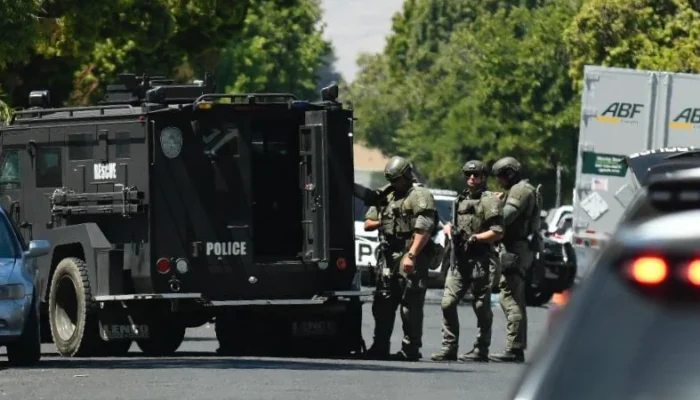
A SWAT raid is one of the most extreme actions law enforcement can take. When executed lawfully, it is meant to address serious and immediate threats. But when a SWAT operation is based on faulty intelligence, exaggerated risk assessments, or procedural failures, the consequences can be devastating – especially for innocent residents.
In San Bernardino County, including Fontana, wrongful SWAT raids and excessive use of force have resulted in serious injuries, emotional trauma, and violations of constitutional rights. This case study outlines how these cases arise, how they are challenged, and what victims need to know if they’ve experienced a similar ordeal.
The Scenario: When a SWAT Raid Goes Wrong
In wrongful SWAT raid cases, a common pattern emerges:
- Law enforcement relies on inaccurate or outdated information
- Warrants are obtained using misleading or incomplete affidavits
- No meaningful effort is made to verify the presence of an actual threat
- Officers deploy militarized tactics against occupants who pose no danger
In one representative case from San Bernardino County, a family home was targeted after an anonymous tip incorrectly linked the address to criminal activity. Without proper surveillance or confirmation, officers executed a high-risk raid using flashbang devices, firearms, and forced entry.
The result was chaos – terrified occupants, property destruction, and serious injuries – all without any criminal charges being filed.
The Legal Issues at the Heart of These Cases
Fourth Amendment Violations
The Fourth Amendment protects individuals from unreasonable searches and seizures. In SWAT cases, courts closely examine:
- Whether the warrant was valid and supported by truthful information
- Whether officers exaggerated threats to justify militarized force
- Whether less intrusive methods were available and ignored
A SWAT raid is not automatically lawful simply because a warrant exists. The manner of execution matters.
Excessive Use of Force
Even when police have a lawful reason to enter a property, they are still required to use force that is reasonable under the circumstances.
Courts evaluate:
- Whether occupants were compliant or posed any threat
- The use of weapons, flashbangs, or physical force
- The presence of children, elderly residents, or uninvolved individuals
In many wrongful raid cases, force is applied indiscriminately – leading to claims of excessive force under federal civil rights law.
Municipal Liability
When these raids stem from poor training, flawed policies, or a pattern of reckless tactics, liability may extend beyond individual officers to the department or city itself.
This is particularly relevant in San Bernardino County, where systemic issues such as inadequate oversight or aggressive task force operations may come into play.
The Impact on Victims
The consequences of a wrongful SWAT raid extend far beyond the moment of entry.
Victims often experience:
- Serious physical injuries
- Long-term psychological trauma or PTSD
- Property damage or total loss of their home
- Ongoing fear of law enforcement
- Reputational harm within their community
In Fontana and surrounding areas, families have been displaced, children traumatized, and livelihoods disrupted – all without justification.
How These Cases Are Challenged
Evidence Collection
Successful challenges rely on aggressive evidence gathering, including:
- Body camera and dash camera footage
- SWAT operation plans and briefings
- Warrant affidavits and supporting documents
- Dispatch logs and radio communications
- Medical and psychological records
These materials often reveal discrepancies between what officers claimed and what actually occurred.
Expert Testimony
Use-of-force experts, former law enforcement supervisors, and tactical specialists are often critical in explaining why the raid was unnecessary or recklessly executed.
Their testimony helps juries understand how standard police procedures were ignored or abused.
Federal Civil Rights Litigation
Most wrongful SWAT raid cases are pursued under federal civil rights laws, which allow victims to seek compensation for:
- Physical injuries
- Emotional distress
- Property damage
- Violation of constitutional rights
In some cases, punitive damages may also be available.
Why Local Experience Matters in San Bernardino County
Cases involving SWAT operations are complex and aggressively defended. Successfully challenging them requires familiarity with:
- Local law enforcement agencies and task forces
- County-specific procedures and command structures
- Regional patterns of enforcement and prior incidents
This local insight is often the difference between dismissal and accountability.
Time Limits Apply – Even in Extreme Cases
Despite the severity of a SWAT raid, strict deadlines still govern these claims. Evidence can disappear quickly, and delay can weaken even the strongest case.
Speaking with counsel early ensures:
- Preservation of video and operational records
- Proper filing under state and federal deadlines
- A clear strategy before narratives become entrenched
Accountability After a Traumatic Police Encounter
A wrongful SWAT raid is not just a mistake – it is a profound violation of trust and safety. For residents of San Bernardino and Fontana, the law provides a path to accountability when law enforcement oversteps its authority. If you or your family experienced a SWAT raid that never should have happened, understanding your rights is the first step toward justice.

Steering Law is a California-based civil rights and criminal defense firm led by Jerry L. Steering, Esq. The firm focuses on police misconduct cases, including excessive force, false arrest, malicious prosecution, contempt of cop incidents, and 42 U.S.C. §1983 civil rights actions, while also handling serious criminal defense matters. Steering Law is dedicated to protecting clients’ constitutional rights and delivering justice for individuals who have been wronged by law enforcement.
